Home / Tuition / Non-Verbal Reasoning
11 Plus Non-Verbal Reasoning
Calm, structured non-verbal reasoning practice.
Non-verbal reasoning uses shapes and patterns instead of words, and many children find it unfamiliar at first. I teach a simple, step-by-step way to break every puzzle down, then build confidence through regular non-verbal reasoning test practice in the real exam format.
What Is 11 Plus Non-Verbal Reasoning?
Series &
Sequences
Spot how shapes change from one box to the next.
Analogies &
Similarities
Find the shape that shares the same rule or relationship.
Codes &
Matrices
Crack shape codes and complete grids of patterns.
Spatial
Reasoning
Rotations, reflections, nets and 3D shapes.
Making Shapes Make Sense
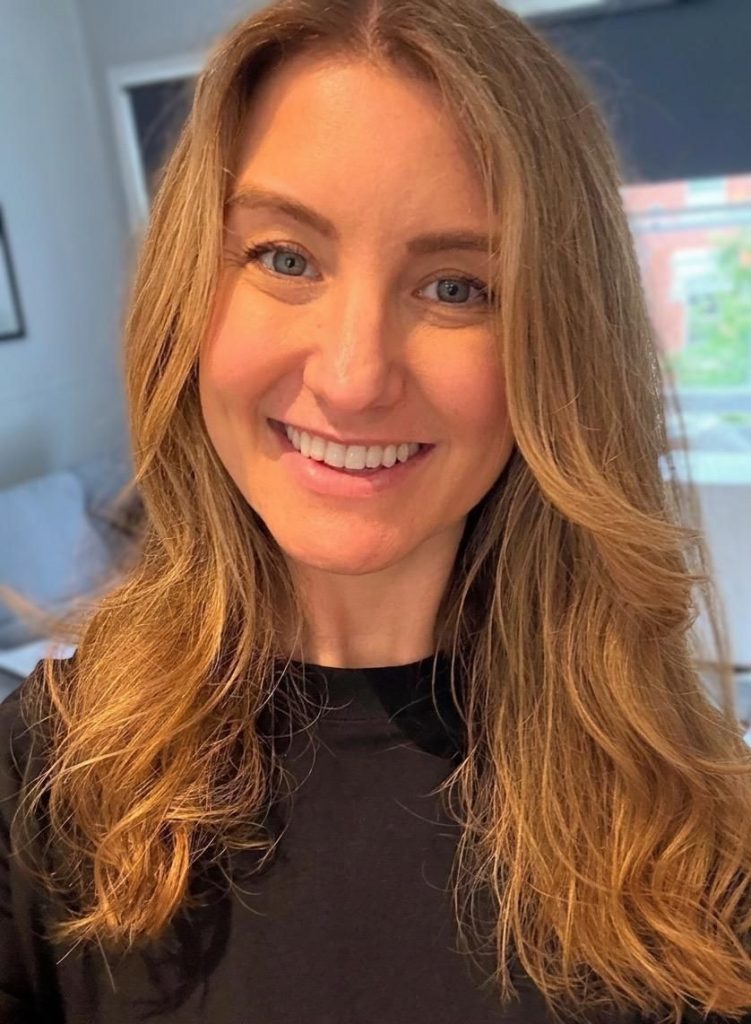
About me
Non-verbal reasoning can look like a wall of shapes. Some children freeze, others guess fast and hope. Both habits cost marks.
Over 13 years of teaching I have found that children do best with one clear routine. We check one feature at a time, such as shape, size, colour, position and number, until the rule shows itself. Once that routine is automatic, most questions become far less daunting.
For spatial questions we use real paper, folding and cutting nets or rotating cut-out shapes, before moving to the page. Seeing it happen in their hands makes the picture questions click.
A Simple Habit That Works
Change one thing at a time. When children learn to check each feature in turn, a confusing grid of shapes turns into a simple checklist they can trust under pressure.
How NVR Tutoring Works
From the first unfamiliar puzzle to calm, timed practice, every stage is planned around your child.

Starting
Point
A short assessment shows which question types are strong and which need support.

Teach Each
Type
A clear routine for every question type, with hands-on examples.

Test
Practice
Mixed non-verbal reasoning test practice to build fluency.

Timed
Mocks
Full papers under exam conditions, reviewed together.
Non-Verbal Reasoning Practice at Home
Short, regular non-verbal reasoning practice at home makes a real difference between lessons. Ten minutes of puzzles three or four times a week does more than one long weekend session.
Away from the papers, everyday activities help too. Jigsaws, tangrams, building blocks, folding paper to make cubes and spot-the-difference puzzles all build the visual thinking that NVR tests reward. I will suggest the right mix for your child.
Short practice sets set between lessons
Hands-on activities for spatial skills
Online lessons with shared, interactive diagrams
Non-Verbal Reasoning Question Types
These four types appear in most NVR papers. Each one gets its own method and plenty of practice.
Odd One
Out
Find the shape that breaks the rule the others follow.
Complete the
Series
Work out what comes next in a sequence of shapes.
Matrices
Fill the missing square in a grid of related patterns.
Cubes &
Nets
Decide which net folds into a cube, or which cube matches.
Explore Other Tuition
Every subject is taught one-to-one, in West London or online, and built around your child’s needs and target schools.
Non-Verbal Reasoning FAQs
Begin the Journey
I keep a limited number of 11+ places each year. Get in touch to talk about your child’s target schools and how non-verbal reasoning fits into their preparation.
Email: kate@salisburyscholetutoring.com
Phone: 07463 519812
Location: West London | In-person and online sessions available